
Pharmacogenomics Research to Investigate Biomarkers of Drug Response
Pharmacogenomics (PGx) research investigates how genetic variation is associated with drug metabolism, efficacy, toxicity, and response. CleanPlex® targeted next-generation sequencing (NGS) technology enables researchers to enrich and sequence selected pharmacogenomic targets for these studies. Clinical applications of pharmacogenomics are described here only as scientific background and do not describe the intended use of CleanPlex products.
For Research Use Only. Not for use in diagnostic procedures. CleanPlex Pharmacogenomics products are not intended for diagnosis, treatment selection, medication dosing, or patient management.
PGx research increasingly uses targeted multigene sequencing approaches to investigate pharmacogenes and associated variants efficiently. Amplicon-based targeted sequencing is a focused, cost-effective approach that is straightforward to implement in the laboratory. The workflow allows researchers and assay developers to concentrate sequencing resources on pharmacogenes and genomic regions relevant to their study objectives.
CleanPlex Technology Highlights:
- Scalable High-Throughput System. Target thousands of relevant markers in the same assay.
- Fast Turnaround Time. Get custom assays delivered in 4 weeks.
- Cost-Effective Solution. Process thousands of samples at a time on the Illumina® platform.
- Minimizes consumable consumption. This single-plate workflow reduces consumable costs and loss of material from the material transfer.
- Streamlined, Automation-Friendly Workflow. Generate sequencing-ready libraries in just 3 hours using a simple, three-step protocol that can be easily automated.
- High-Quality, Reproducible Results. Prepare high-quality NGS libraries with high marker call rates and efficient use of sequencing reads.
- High Level of Support. Our PhD-level expert scientists are here to provide speedy and comprehensive support throughout the design, ordering, and technology adoption process, including excellent after-sales technical support.

Product Highlight: Ready-to-Use Pharmacogenomics Research Kit
The CleanPlex® Pharmacogenomics Kit is designed to enrich and sequence selected pharmacogenomic variants and genomic regions of research interest. Panel content includes genes such as ADRA2A, CYP2C19, CYP2C9, DPYD, F2, HLA-B, VKORC1, and SLCO1B1, and can be supplemented with custom targets to support specific research questions.
CleanPlex® NGS Panels – Simple, Affordable Targeted Sequencing for Pharmacogenomics Research
How Does NGS Amplicon Sequencing for Pharmacogenomics Work?
Targeted NGS for PGx research can help identify potential biomarkers and characterize genetic variation in selected genes.
Targeted NGS for PGx research can help identify potential biomarkers and characterize genetic variation in selected genes. Target content may be selected based on published pharmacogenomic evidence and the research question, population, therapeutic area, and variants of interest. Depending on the study protocol, DNA may be isolated from blood, buccal swabs, saliva, or other sample types before library preparation.
Generate Accurate, Reproducible Targeted Sequencing Data for PGx Research
The CleanPlex Pharmacogenomics workflow leverages ultra-high amplicon multiplexing and low PCR background to support efficient enrichment of selected PGx targets.
The CleanPlex Pharmacogenomics workflow leverages ultra-high amplicon multiplexing and low PCR background to support efficient enrichment of selected PGx targets. Its single-tube workflow is designed to simplify library preparation, reduce handling, and generate sequencing-ready libraries for downstream research analysis.
How many samples can I sequence together?
Paragon Genomics NGS technology uses a multiplexed approach that allows researchers to interrogate large numbers of variants of interest across hundreds to thousands of samples.
Paragon Genomics NGS technology uses a multiplexed approach that allows researchers to interrogate large numbers of variants of interest across hundreds to thousands of samples. We support 2,688 Illumina combinatorial indexes for high-throughput workflows. High amplification uniformity, mapping rates, and on-target rates support efficient use of sequencing space. As one planning example, a 1,000-amplicon panel may accommodate up to 150 samples on a MiSeq and 1,300 samples on a NextSeq at an average depth of 100×; actual capacity depends on panel design, sequencing configuration, and study requirements.
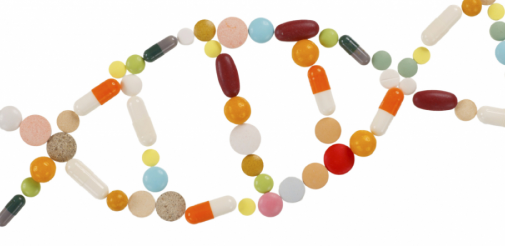
What are the Benefits of Pharmacogenomics Research?
Gene-drug association studies · Biomarker discovery · Population research · Research assay development
- Gene-drug association studies: Investigate variants and genomic regions reported in connection with drug metabolism, efficacy, toxicity, and response.
- Biomarker discovery: Generate targeted sequencing data for research into pharmacogenomic biomarkers and related phenotypes.
- Population research: Examine allele frequencies and PGx associations across study cohorts and populations.
- Research assay development: Evaluate selected targets, analytical performance, and downstream bioinformatics approaches in a scalable workflow.
What Can Pharmacogenomics Research Investigate?
Pharmacogenomics research examines how genetic variation is associated with drug metabolism, transport, efficacy, toxicity, and response.

Pharmacogenomics research examines how genetic variation is associated with drug metabolism, transport, efficacy, toxicity, and response. Targeted sequencing can support studies of reported gene-drug associations, population variability, adverse-drug-reaction phenotypes, biomarker discovery, and research assay development.
What are the Limitations of Pharmacogenomics Research?
Evidence gaps · Complex genetic architecture · Population variability · Study scale and access · Method variability · Ethical and legal considerations
- Evidence gaps: Evidence linking genetic variants to drug-response variability or other phenotypes may be limited, particularly for rare variants.
- Complex genetic architecture: Drug-response phenotypes may involve multiple genes as well as environmental and non-genetic factors.
- Population variability: Allele frequencies and reported associations can differ across populations and may not transfer uniformly between cohorts.
- Study scale and access: Sample availability, sequencing capacity, and study cost can affect research design and statistical power.
- Method variability: Target selection, analytical methods, bioinformatics pipelines, and interpretation rules can influence research results.
- Ethical and legal considerations: Human genomic research should address informed consent, privacy, data governance, and applicable institutional requirements.
Request a Free CleanPlex Pharmacogenomics Kit
Frequently Asked Questions
High-Performance Targeted Sequencing for Pharmacogenomics Research
CleanPlex Custom NGS Panels offer strong analytical performance and flexible target selection for pharmacogenomics research and assay-development studies. To discuss a custom panel aligned with your research objectives, schedule a free consultation below.
Schedule a Free Consultation
Schedule a free consultation with our design team to learn how we can help you develop a NGS research solution to advance your genotyping projects.